
A destination with only one reason to visit is vulnerable. A hotel, a landscape, a notable cuisine — all valid, but all replicable. What isn't easily replicated is how it makes the visitor feel. And that's where wellbeing enters as a strategic argument, not a decorative one.
The experience economy redrew the tourism map
For decades, destinations competed on attractions. Monuments, beaches, cuisine, climate. The logic was simple: more things to see meant more reasons to come.
That logic still works in the mass segment. But in the value segment — the traveller who chooses consciously where to spend, who values time as much as money, who wants to return changed in some way — competition happens on a different plane: the quality of the experience lived, not the number of things seen.
In that context, wellness is the most underestimated asset in value tourism. Not because it's new — spas and retreats have existed for centuries — but because the rigour with which a wellbeing experience can now be designed and delivered is radically higher than it was ten years ago.
The traveller who seeks recovery, not just escape
An emerging profile is redefining tourism spending in the premium segment: the recovery traveller. They don't travel to escape their life. They travel to recover the capacity to live it with the same intensity.
This profile has very concrete traits: higher spend per night, longer stays, lower price sensitivity when perceived value is high, and extraordinary loyalty when the destination delivers what it promises. They don't just return. They prescribe.
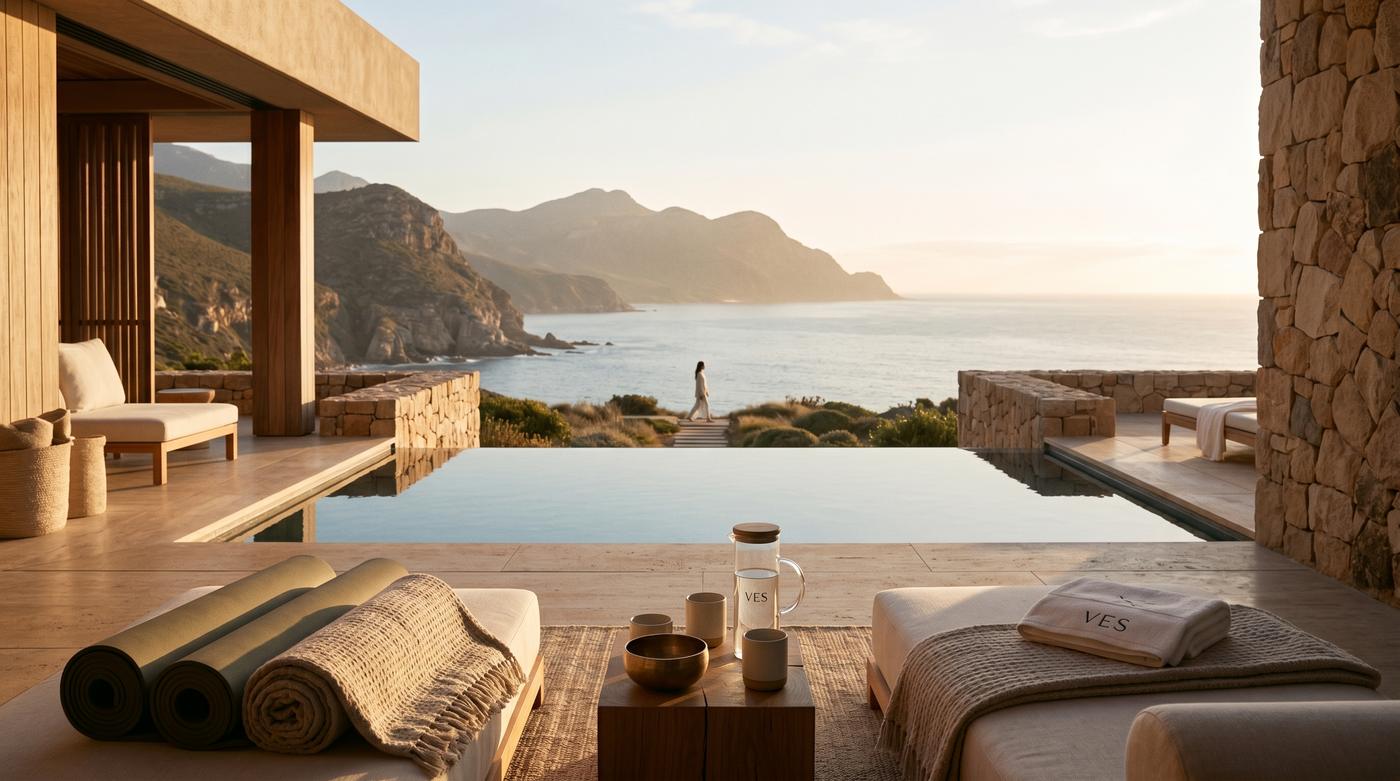
The destinations capturing this segment aren't the most famous or the most accessible. They're the ones that have built a wellbeing proposition with enough depth to be, in itself, the reason for the trip.
What makes a destination chosen for its wellness
Having a spa isn't enough. Almost every four- and five-star hotel has a spa. What sets apart a destination chosen for its wellbeing is coherence: the space, the team, the protocols, the pace of the place and the daily experience all working in the same direction.
That takes a system. A method that defines what kind of experience you want to produce, how the guest journey is designed, on what criteria the team is selected and trained, and how the experience is measured and improved over time.
Without a system, a destination's wellbeing is beautiful but unstable. It depends on individuals, not structure. And the guest senses that instability, even if they can't always put it into words.
Seven Senses System as a destination differentiator
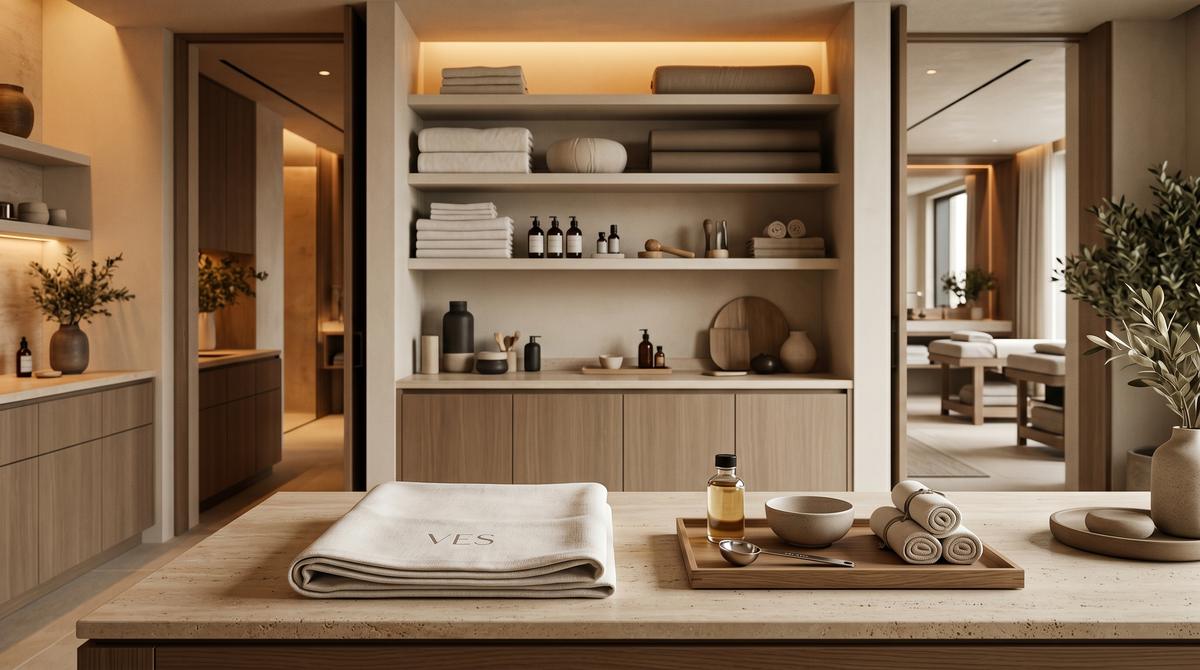
What VES implements isn't a generic spa with good marketing. It's a wellbeing ecosystem designed from sensory architecture up: how the space is laid out, how the light enters, what temperature the room holds, what sequence the guest follows, how each interaction is guided.
Each of those elements is designed to produce a specific state in the person living it. And that state — of recovery, of presence, of clarity — is what makes the guest think about returning long before they've left the destination.
That isn't decorative luxury. It's the difference between a destination people visit once and one they return to.