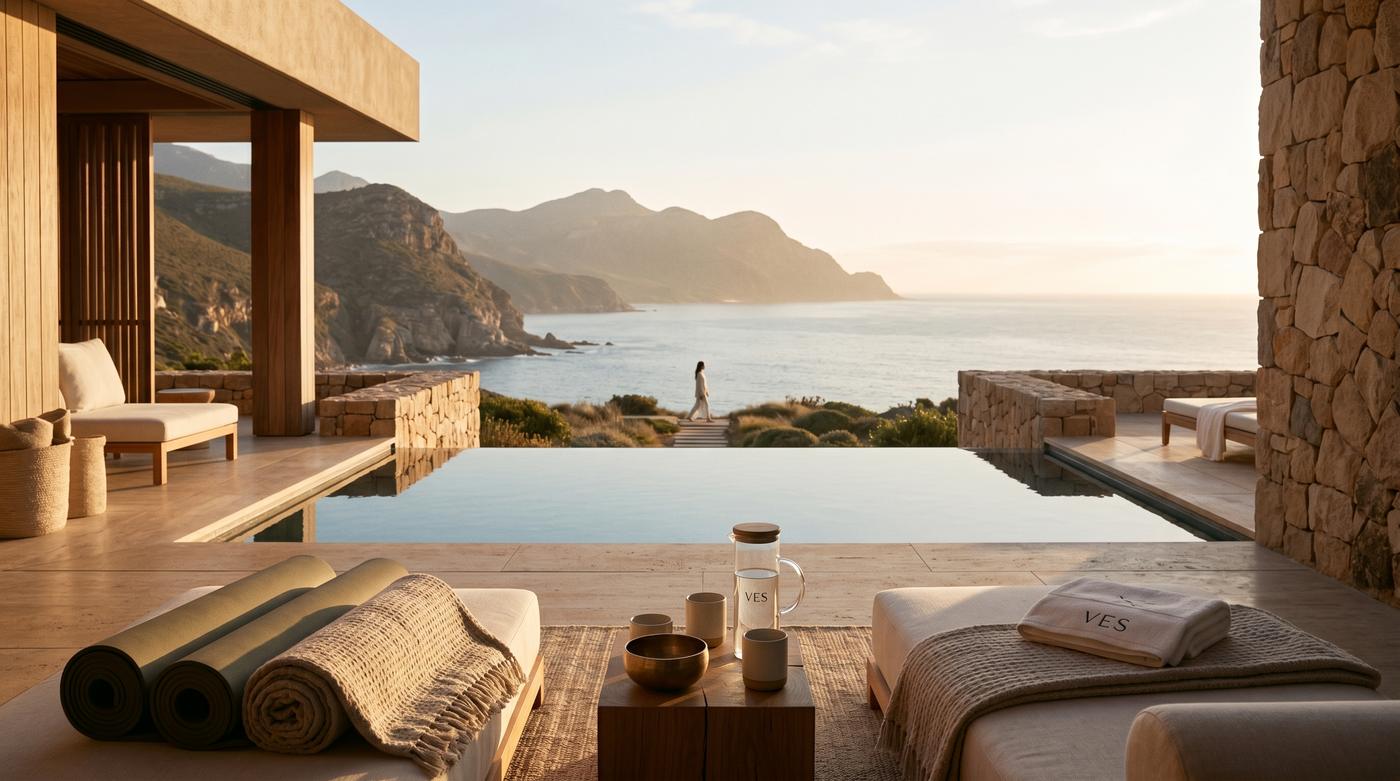


The first hotel to implement the Seven Senses System is in Santiago. The next could be anywhere in the world. That isn't a growth aspiration. It's a direct consequence of how the model is built.
Why scalability wasn’t an accident
When VES designed the Human System model, it made structural choices that weren't obvious at the time but proved decisive for scalability: operating as a service provider — not a staffing company — protecting the method as intellectual property, training a local team in each destination rather than relocating staff, and leaving responsibility for licensing the space with the hotel, which is already in that jurisdiction.
Each of those decisions removed a barrier that normally stops a wellness model from replicating beyond its city of origin.
What travels with the system
When VES implements the Seven Senses System in a new destination, what travels isn't the staff. It's the method.
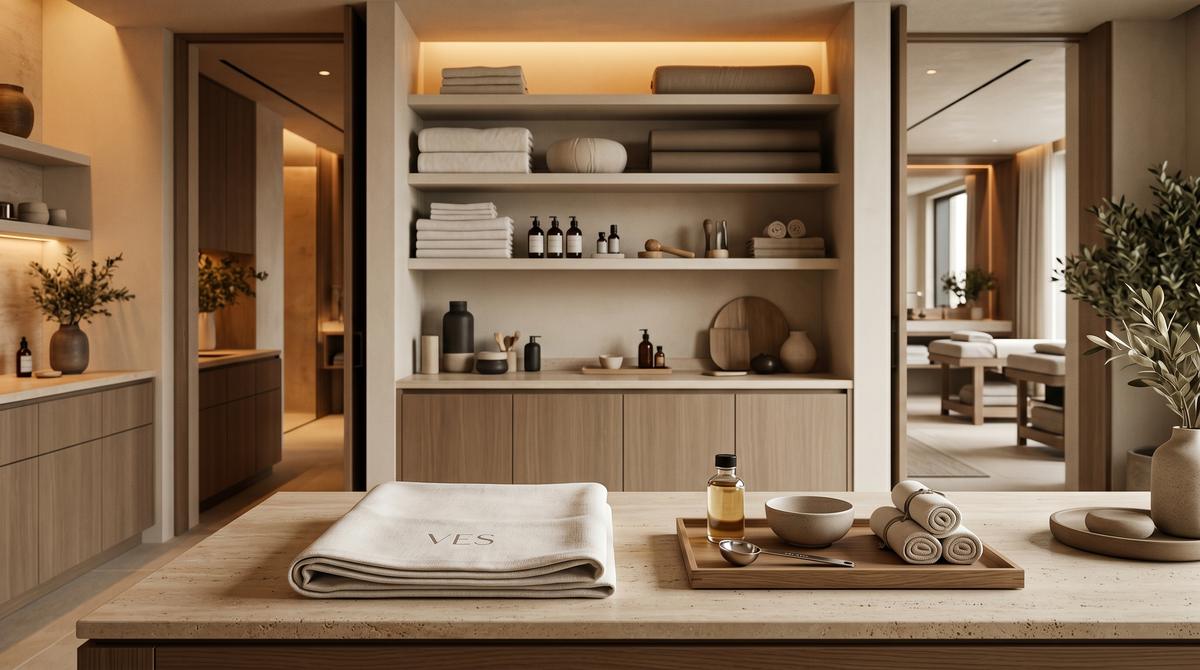
The experience protocols, the training standards, the selection process for Experience Hosts, the design of the sensory circuit, the criteria for evaluating the operation — all of it is documented, standardised and replicable in any cultural context, with the adaptations each destination requires.
VES selects and trains local professionals to that standard. The result is an experience coherent with the VES system, operated by people from the destination itself, with knowledge of the local context and without the cost and logistical complexity of relocation.
Hotel Ladera, the first anchor hotel
Hotel Ladera, in Santiago de Chile, is the first anchor hotel of the VES model: the first hotel integration of the system within the company's trajectory, in a real hospitality setting.
The integration with Hotel Ladera serves a strategic purpose: consolidating the operational standards of the Seven Senses System in a real hotel context and preparing the model for new hotels and destinations.
As the operation matures, VES consolidates an implementation playbook that makes each new rollout more agile and predictable.
The markets VES is looking at
The model has no geographical preference. It has a preference for the type of project: hotels and destinations that see wellbeing as a strategic asset, not a complementary service. That have the space and the vision, but need the system and the team to make it work with excellence.
That exists in Latin America, in Europe, in Asia and in any market where premium hospitality is competing for the guest who chooses based on how they'll feel.
What it means to be the next VES destination
Being the second — or the tenth — destination to implement the Seven Senses System doesn't mean replicating exactly what was done in Santiago. It means receiving a system with operational grounding, an implementation team with real experience, and a contractual model that protects both parties' interests from day one.
The model is designed so the hotel wins when VES wins. That alignment is the basis of every partnership VES builds, regardless of geography.