
Before any recovery protocol — before the sauna, the cold, the breathing or the movement — there is sleep. It's the base everything else is built on. And it's also what deteriorates most under pressure.
Why sleep is the first protocol
During deep sleep, the body runs processes it can't carry out any other way: it consolidates memory, regulates hormones, repairs muscle tissue and clears metabolites from the central nervous system. These aren't secondary processes. They're the ones that determine how everything else works the next day.
Someone who sleeps badly for several consecutive days — something that happens regularly among high-demand profiles and frequent travellers — isn't simply tired. Their decision-making system, stress tolerance, physical recovery and emotional regulation are all impaired.
No supplement, no massage and no meditation session compensates for that. Sleep can't be substituted. It has to be protected.
What interrupts sleep without our noticing
Most people who sleep badly don't know exactly why. The most common cause isn't classic insomnia — the inability to fall asleep — but fragmentation: sleeping the apparent number of hours yet never reaching the deep sleep phases that generate real recovery.
The most common factors: a bedroom that's too warm, blue-light exposure in the hours before bed, irregular schedules that desynchronise the circadian rhythm, alcohol that seduces but fragments the cycle, and — especially for travellers — jet lag and exposure to unfamiliar sound and light environments.
The preparation ritual as protocol
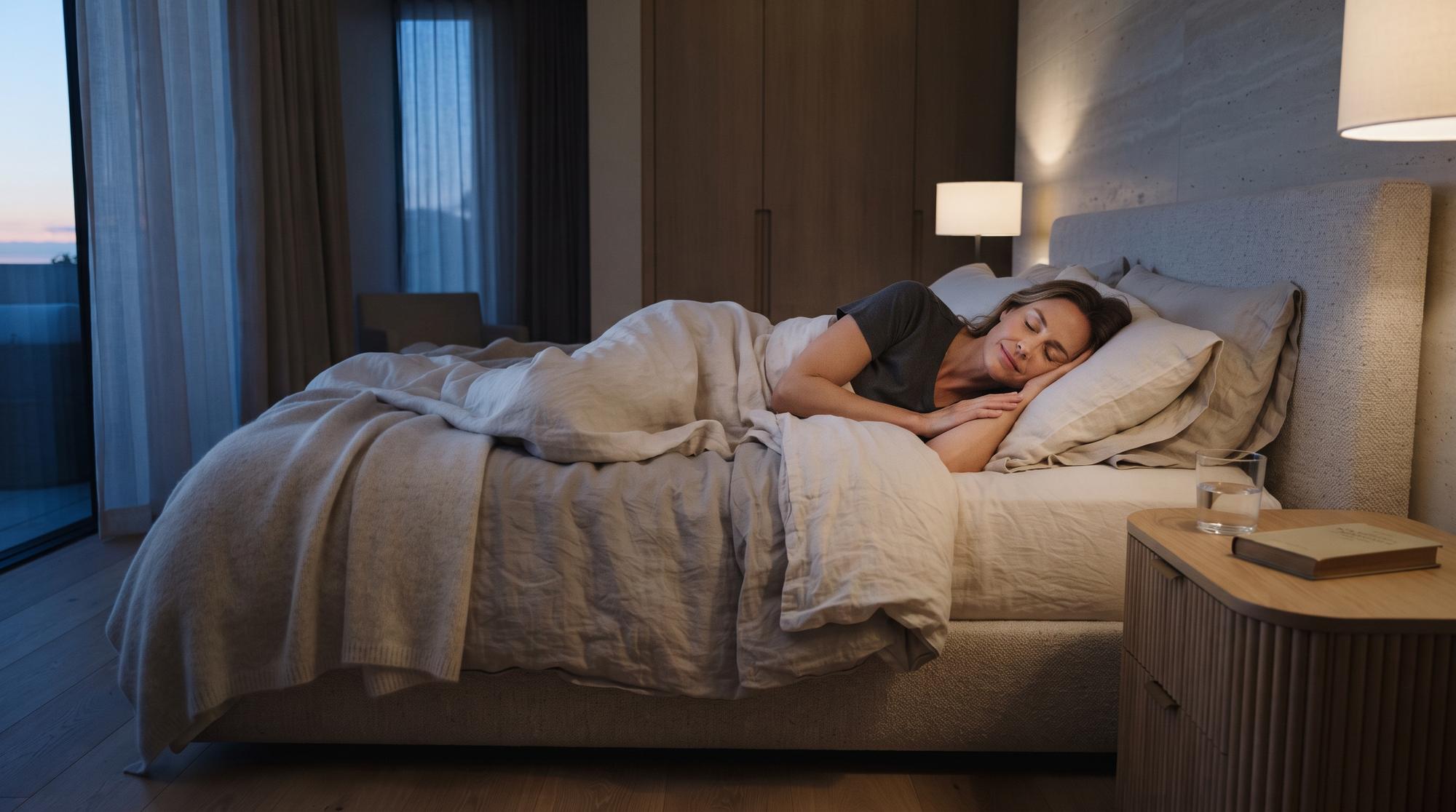
Quality sleep doesn't begin when you lie down. It begins ninety minutes to two hours earlier, with conscious decisions that prepare the nervous system for the transition.
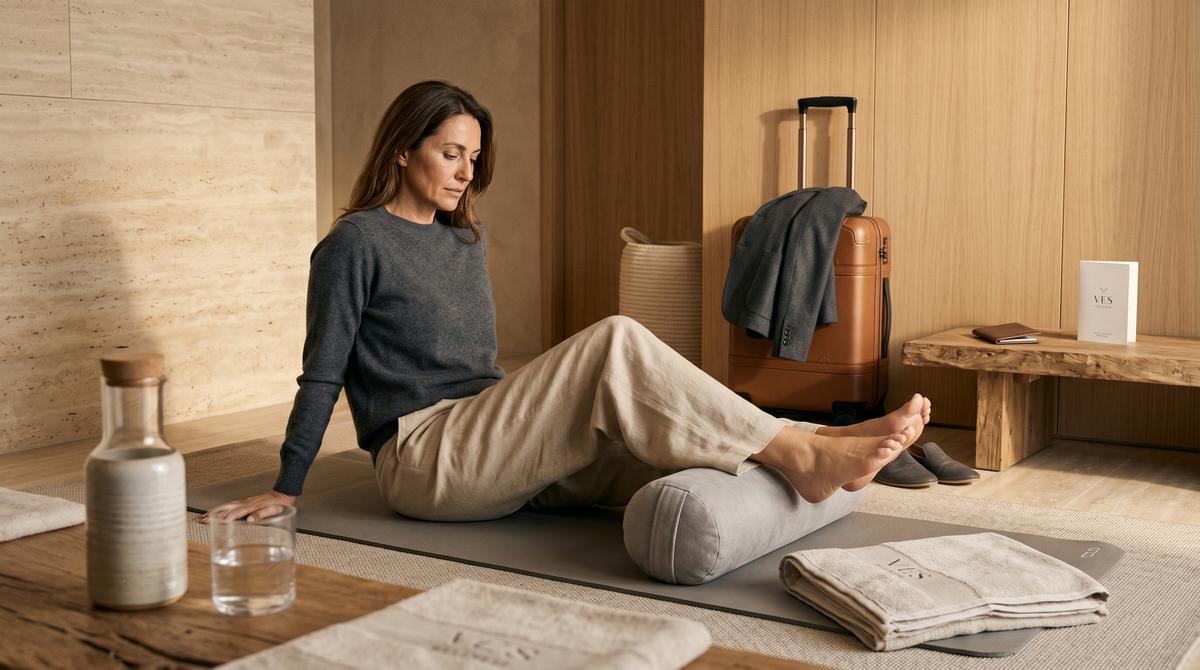
Lower the ambient temperature. Reduce light stimulation. Clear pending decisions — or at least stop actively processing them. Add a physical element of decompression: breathing, gentle mobility, heat followed by cooling.
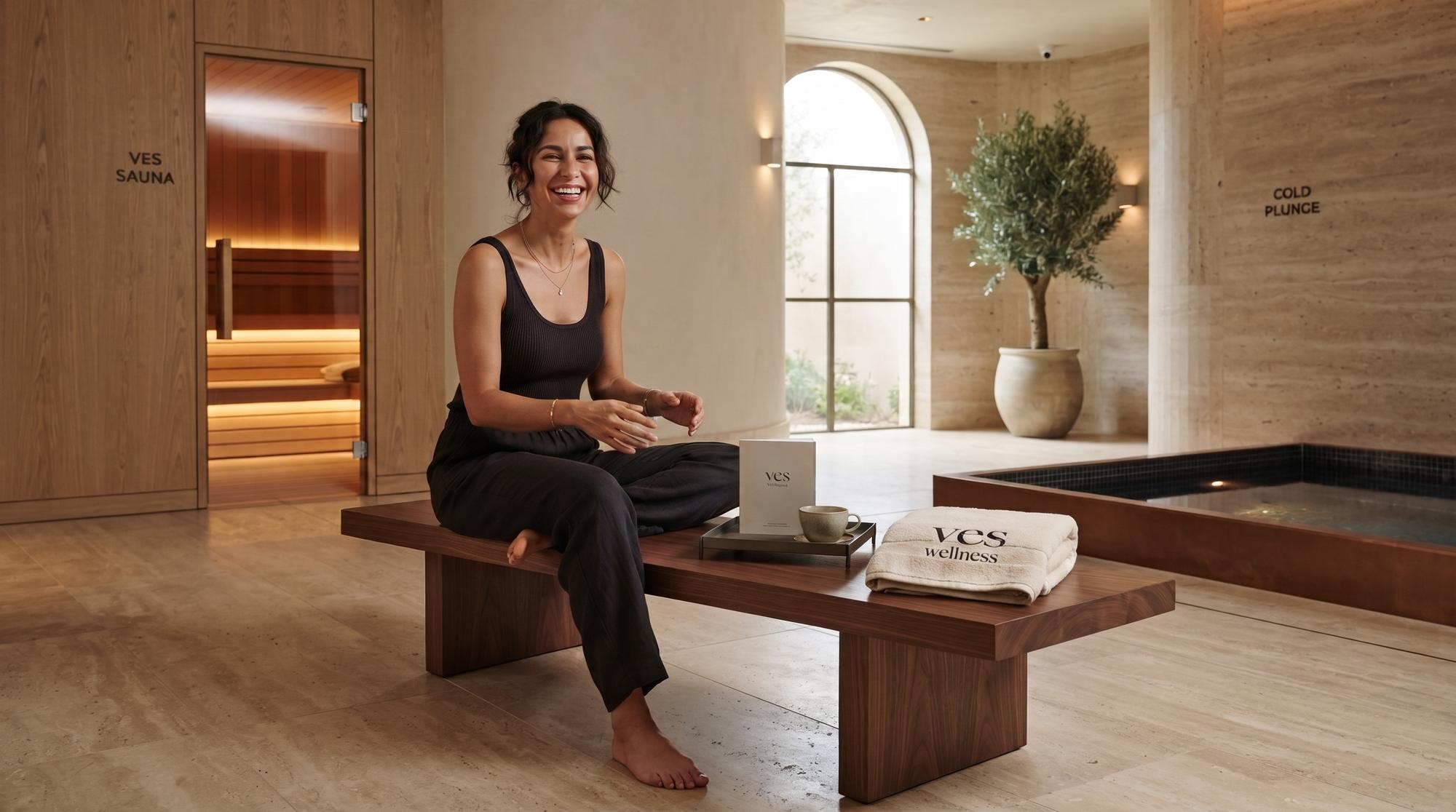
In the context of hotel wellbeing this has a concrete implication: a hotel's recovery area shouldn't close at eight in the evening. The moment the guest most needs access to decompression is precisely after dinner, before trying to sleep.
Recovering the cycle while travelling
The frequent traveller faces an added challenge: their circadian rhythm is under constant pressure. Time-zone changes, night flights, hotels with imperfect black-out, breakfasts that start at seven.
Recovering the sleep cycle while travelling calls for specific strategies: sunlight exposure at the right moment for the destination, adjusting meal times, strategic use of cold to trigger alertness at the right time and of heat to induce drowsiness when needed.
It isn't magic. It's applied physiology. And it's exactly the kind of intervention that separates a recovery programme with method from a collection of well-meaning amenities.